AI at VP&S Workshop Charts the Future of Foundation Models in Clinical Care and Biomedical Discovery
Foundation models are rapidly reshaping what’s possible in biomedicine and patient care. By learning from vast amounts of multimodal data—from single cells to entire health systems—these models promise to accelerate discovery, strengthen clinical decision-making, and unlock new forms of personalized care. Realizing that promise requires collective expertise and strategic coordination across disciplines. As the field races forward, bringing experts together to align on opportunities, challenges, and responsible development has never been more important.
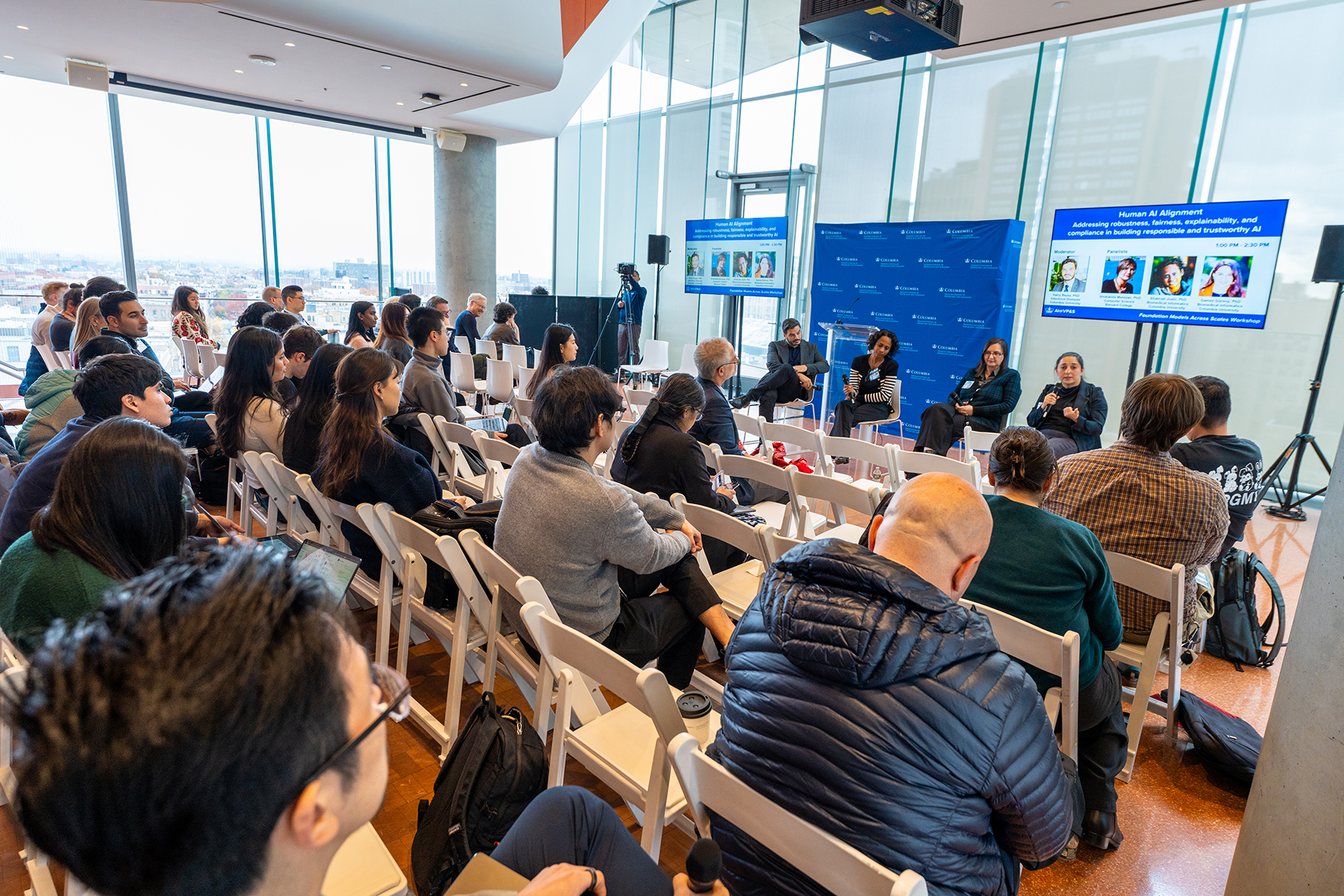
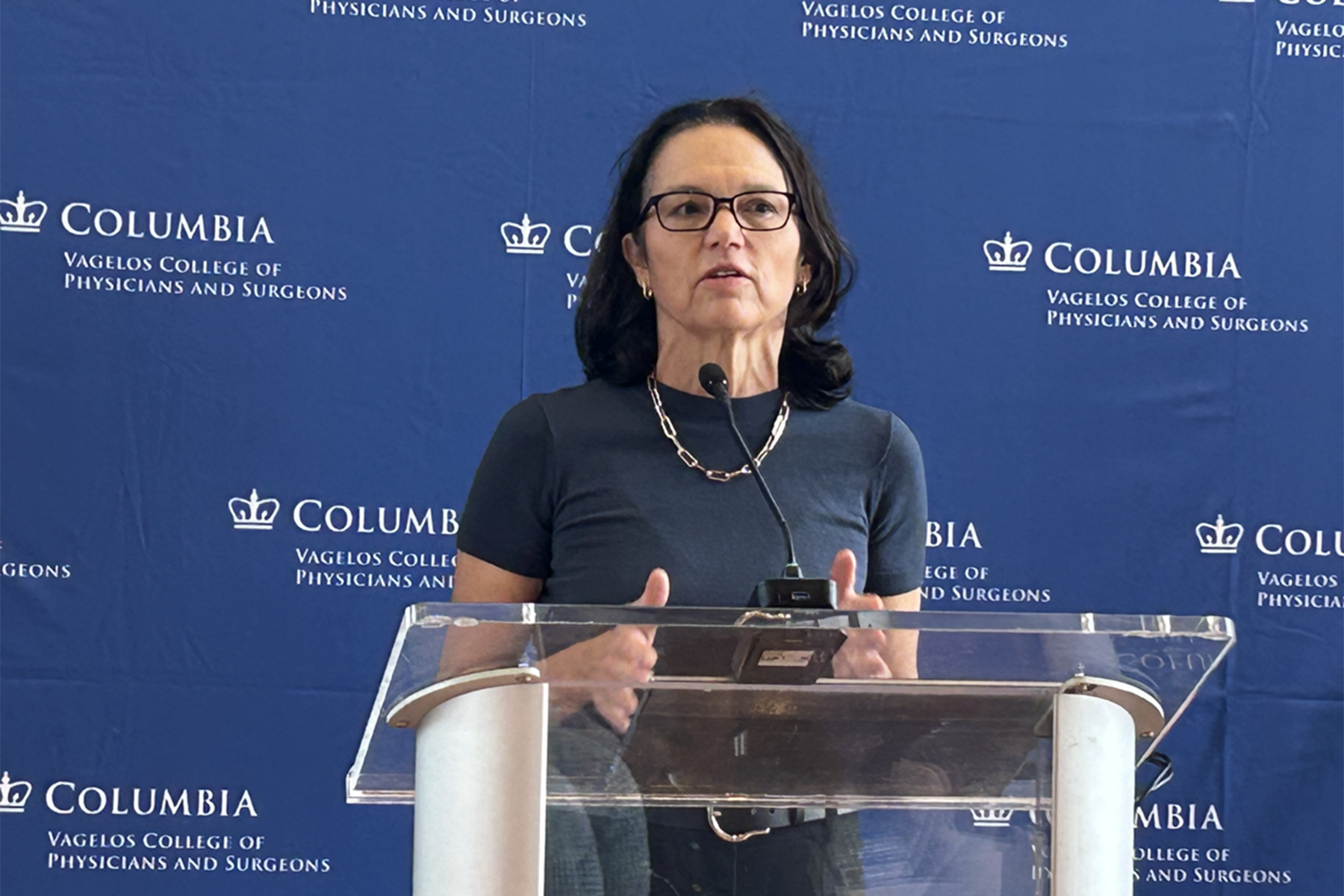
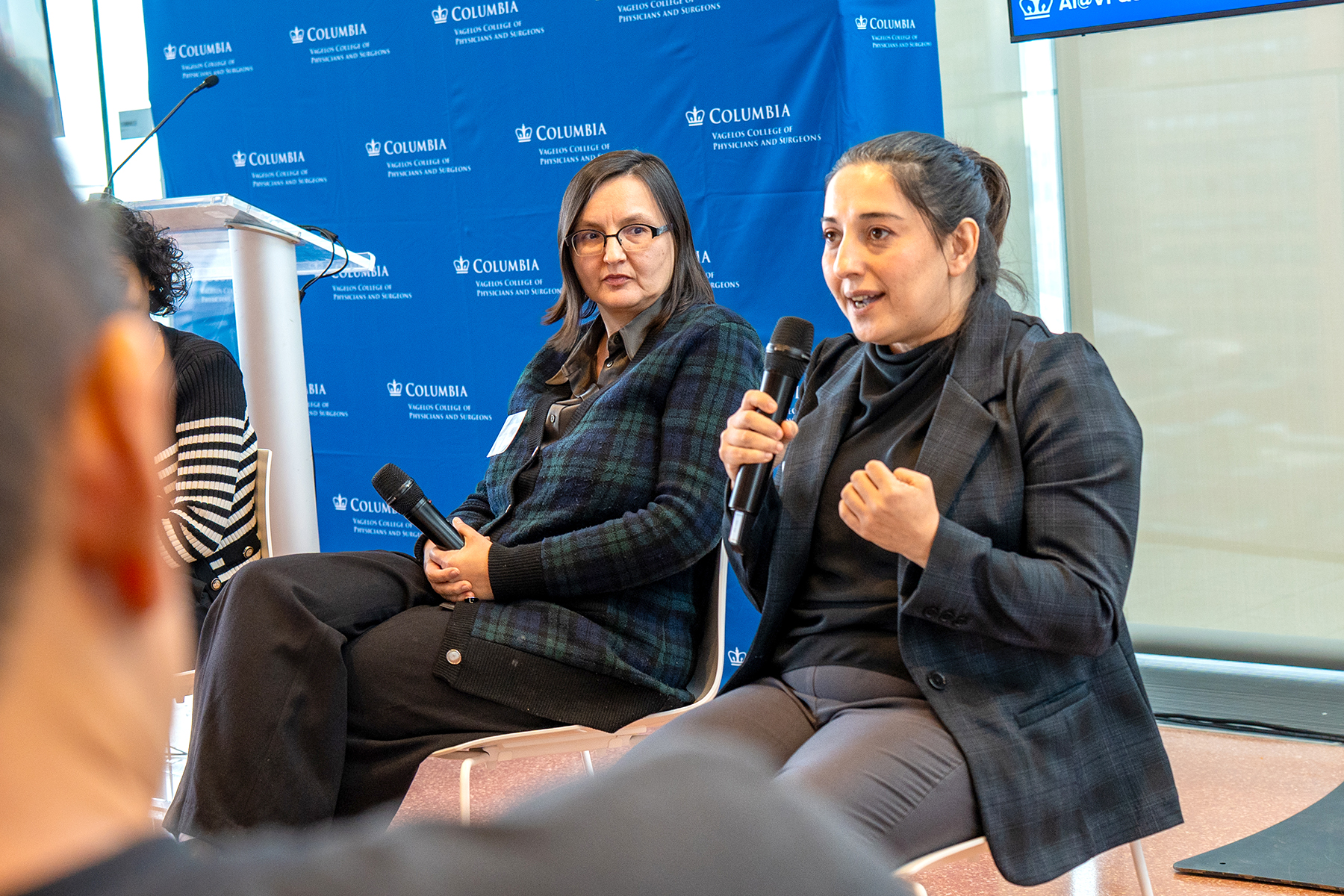
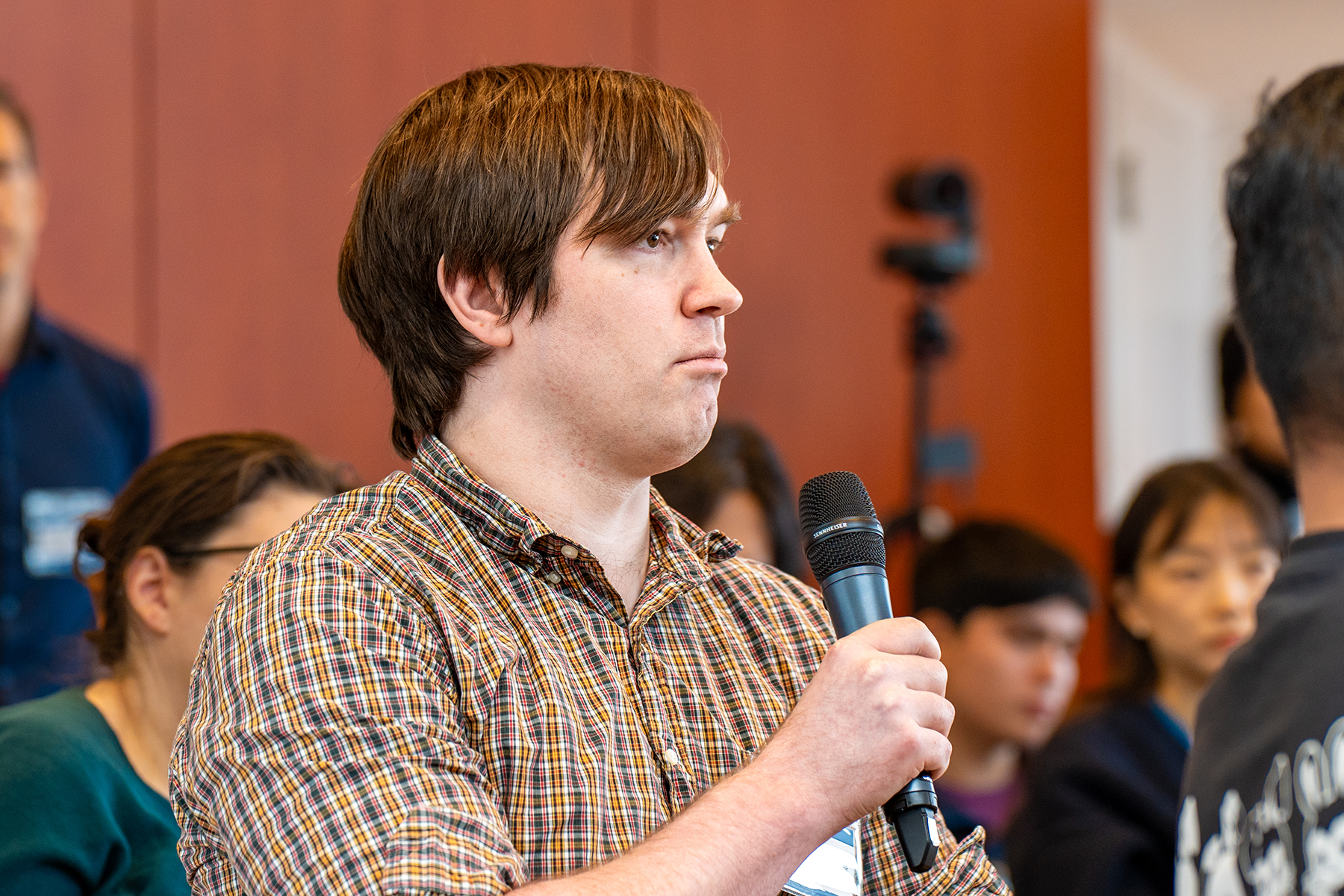
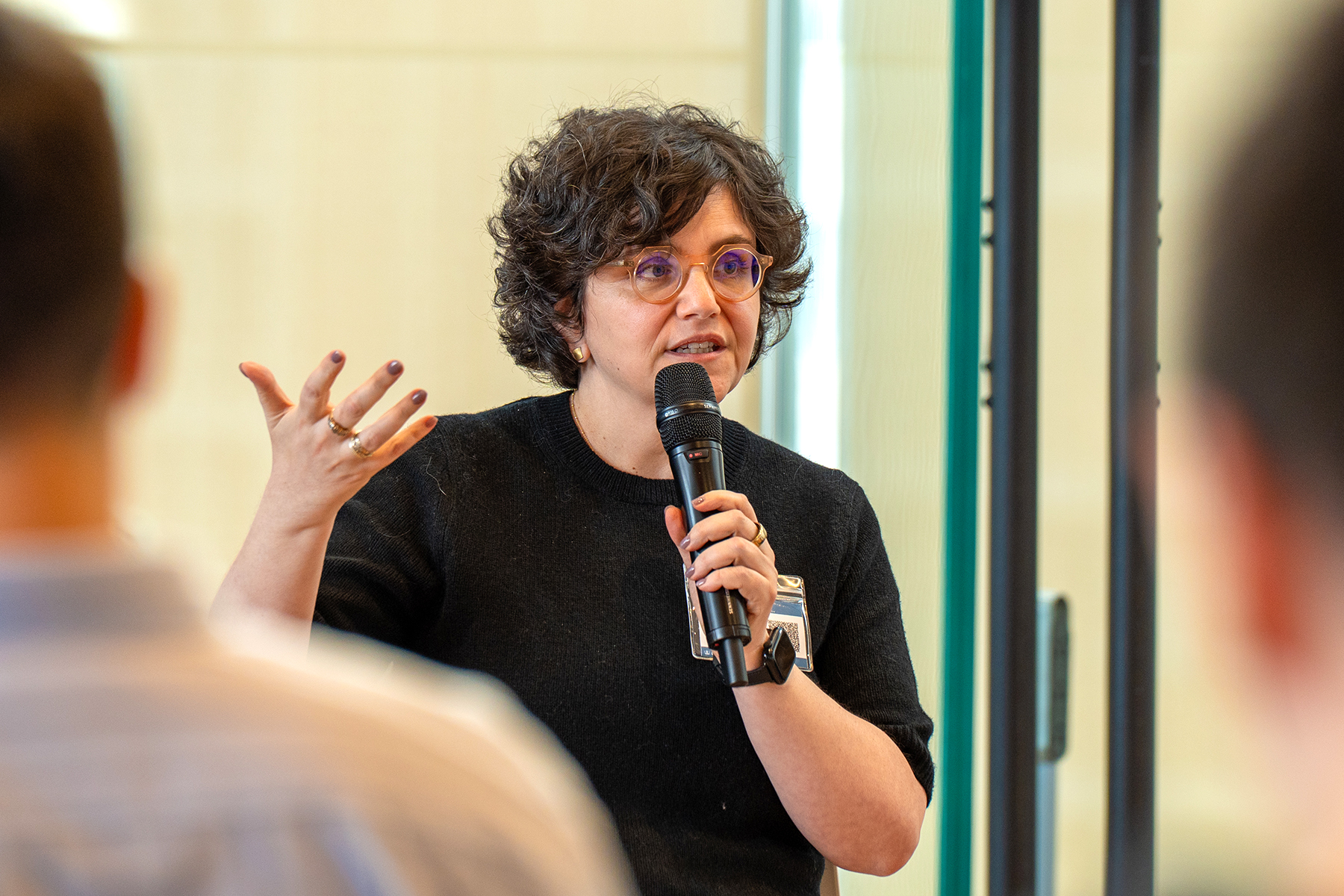
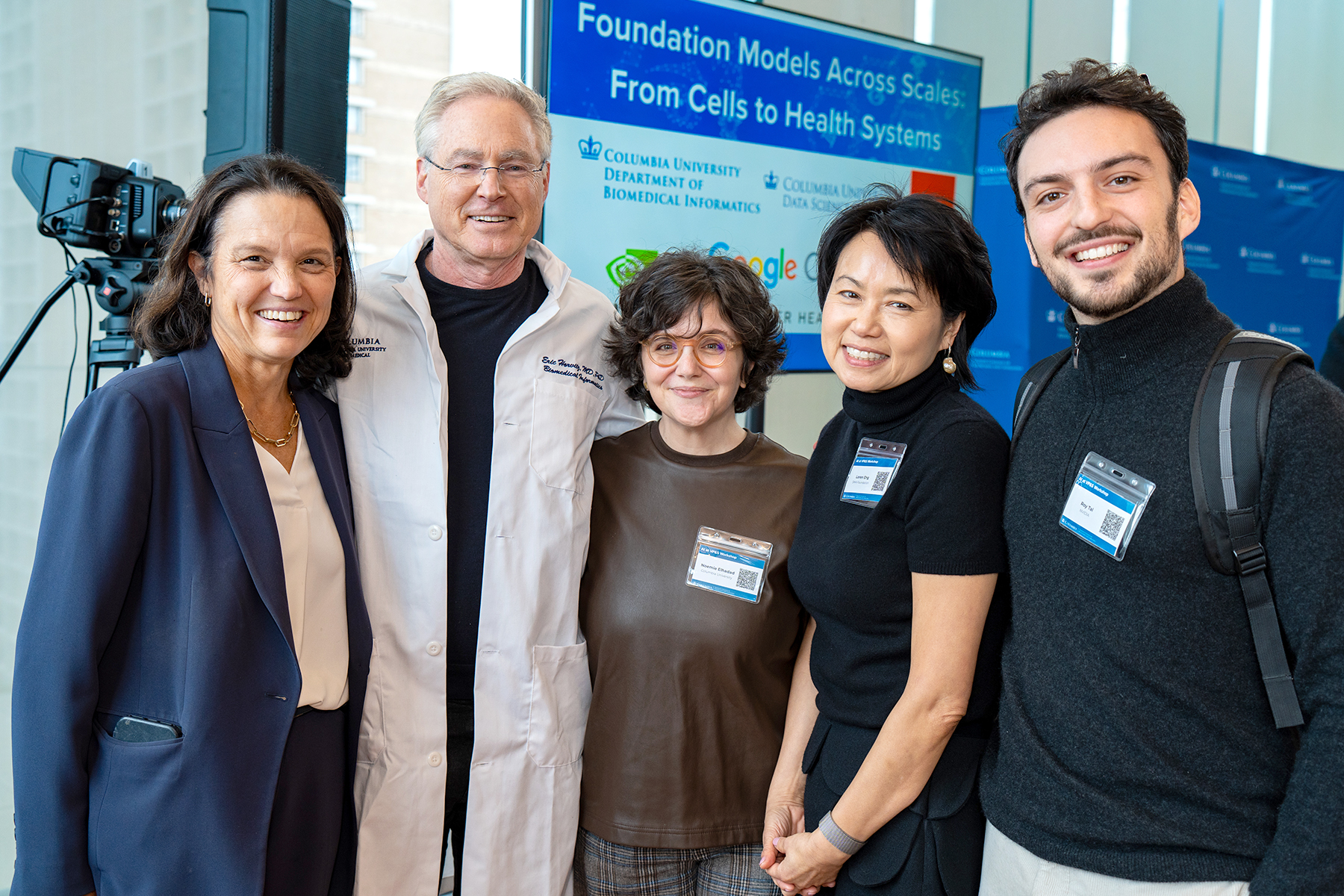
The AI Initiative of the Vagelos School of Physicians and Surgeons at Columbia University hosted a two-day workshop titled “Foundation Models Across Scales: From Cells to Health Systems” on November 10-11, 2025. The workshop brought together leaders from academia, industry, and health systems. Discussions highlighted how foundation models are transforming biomedical discovery, from accelerating insights in basic
biology to powering AI tools already being used at the point of care. Participants also explored what it will take for these models to integrate and model biomedical data across scales, from molecules to populations, and to do so responsibly and effectively.
Several takeaways from the workshop are shared here. The full agenda and speaker bios can be accessed below.
Foundation models are redefining the landscape of biomedical AI and AI for healthcare
Foundation models are large-scale artificial intelligence (AI) systems pre-trained on vast datasets and then adapted to specific tasks. In biomedicine, foundation models can provide insights across molecular, clinical, and behavioral levels, from predicting protein structures to summarizing patient records or interpreting wearable data. Discussions at the workshop highlighted how such models are emerging as a new kind of research and clinical infrastructure: one that is flexible, scalable, and capable of accelerating discovery while connecting insights across scales of health and disease.
Foundation models can bridge disciplines and data scales
For decades, work in biology, clinical research, and population health has advanced in parallel but largely in isolation, limited by differences in data types, methods, and goals. Foundation models present a way forward. By learning shared representations from disparate data types, they may be able to create a common framework that connects insights across scales. Realizing this vision could enable researchers to move beyond silos and collaborate to build more connected models of health and disease.
From descriptive to predictive: a new phase for biomedical modeling
The discussion highlighted the need to shift from describing biological systems to predicting their behavior. In genomics, proteomics, and cell-level modeling, foundation models enable researchers to move beyond static data toward simulations that anticipate how genes, proteins, or cells might behave under new conditions. This predictive power could accelerate discovery and experimental design, allowing researchers to test hypotheses computationally before moving to the lab.
Aligning AI with human values is essential for responsible progress
In health and biomedicine, Human-AI alignment means ensuring that models reflect the priorities, constraints, and moral values of real clinical and research environments across stakeholders. Fairness, reproducibility, transparency, and privacy are not abstract ideals but practical requirements when algorithms influence patient care or scientific discovery. Speakers emphasized that alignment involves more than model tuning or a post-implementation challenge. It requires designing systems that are co-designed with the very people impacted by AI, respect data provenance, account for biases in data, and support accountable decision-making in collaboration with clinicians and patients.
Realizing the promise of foundation models will depend on sustained collaboration across disciplines and sectors
Progress will rely on partnerships that combine scientific insight with technological expertise, based on shared standards for data governance, validation, and evaluation. Industry leaders from NVIDIA, Microsoft, Google Cloud, and Amazon Web Services described how shared infrastructure, open tools, and responsible scaling can accelerate discovery and translation, while maintaining rigor and reproducibility. Together, these efforts point to a growing recognition that the next generation of biomedical and health AI must be co-developed across academia, health systems, and industry sectors to achieve meaningful and trustworthy impact.
Columbia University is creating an integrated ecosystem for AI in health
Columbia is emerging as a leader in advancing artificial intelligence for health and biomedical research. Faculty and collaborators are developing foundation models for applications ranging from molecular biology to clinical decision support and personal health data. The AI at VP&S Initiative is connecting departments, hospitals, and industry partners to translate these advances into real-world impact. The Initiative is also investing in education, infrastructure, and governance to ensure that innovation in AI serves science, medicine, and society.