Strategies Towards a Professional Future with AI,
Clinical Research Innovations Highlight AI at VP&S Showcase
Both the promise and pitfalls of AI in healthcare took center stage during the 2026 AI at VP&S Showcase, an event that highlighted groundbreaking research across the Columbia community while reinforcing the need for critical judgement as technology progresses.
The 23 demos — spanning clinical decision support, patient-facing AI and education — demonstrated that the goal of integrating AI into clinical and educational workflows is not to replace human expertise, but to augment it: by helping clinicians reason with complex data, helping educators deliver more personalized feedback, helping patients engage with care in real time, and helping health systems move toward safer, more interpretable, and more human-centered AI-enabled workflows.
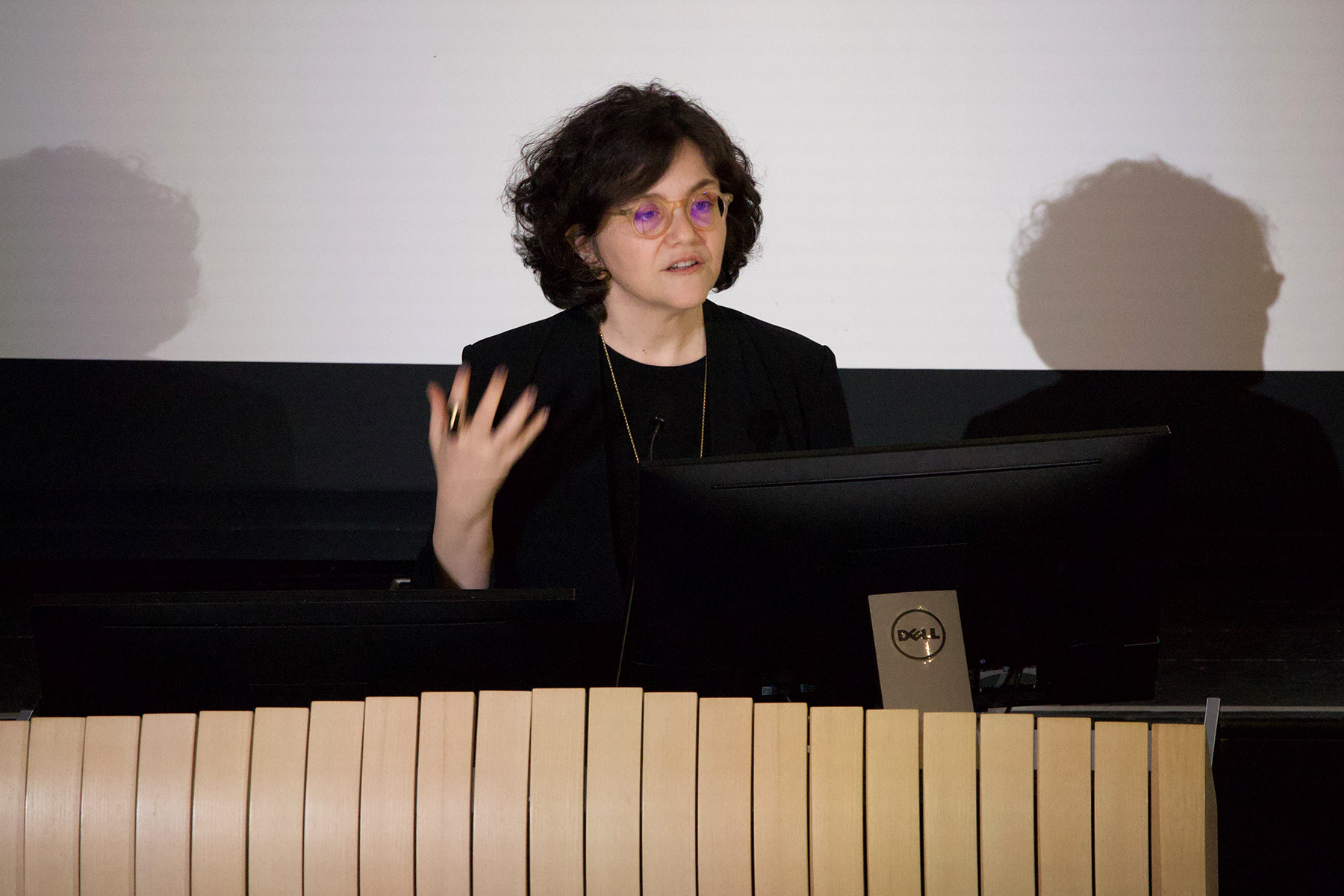
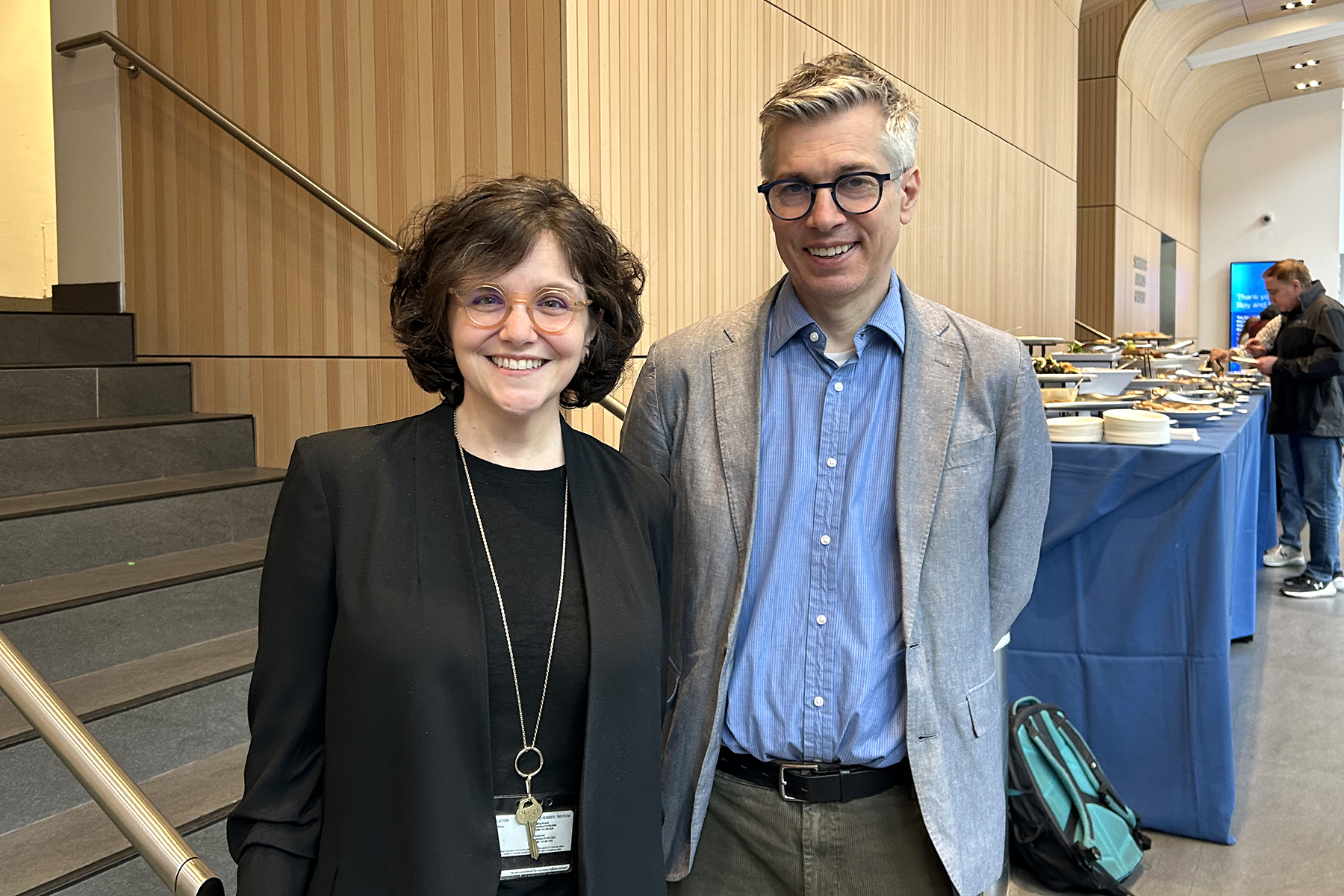
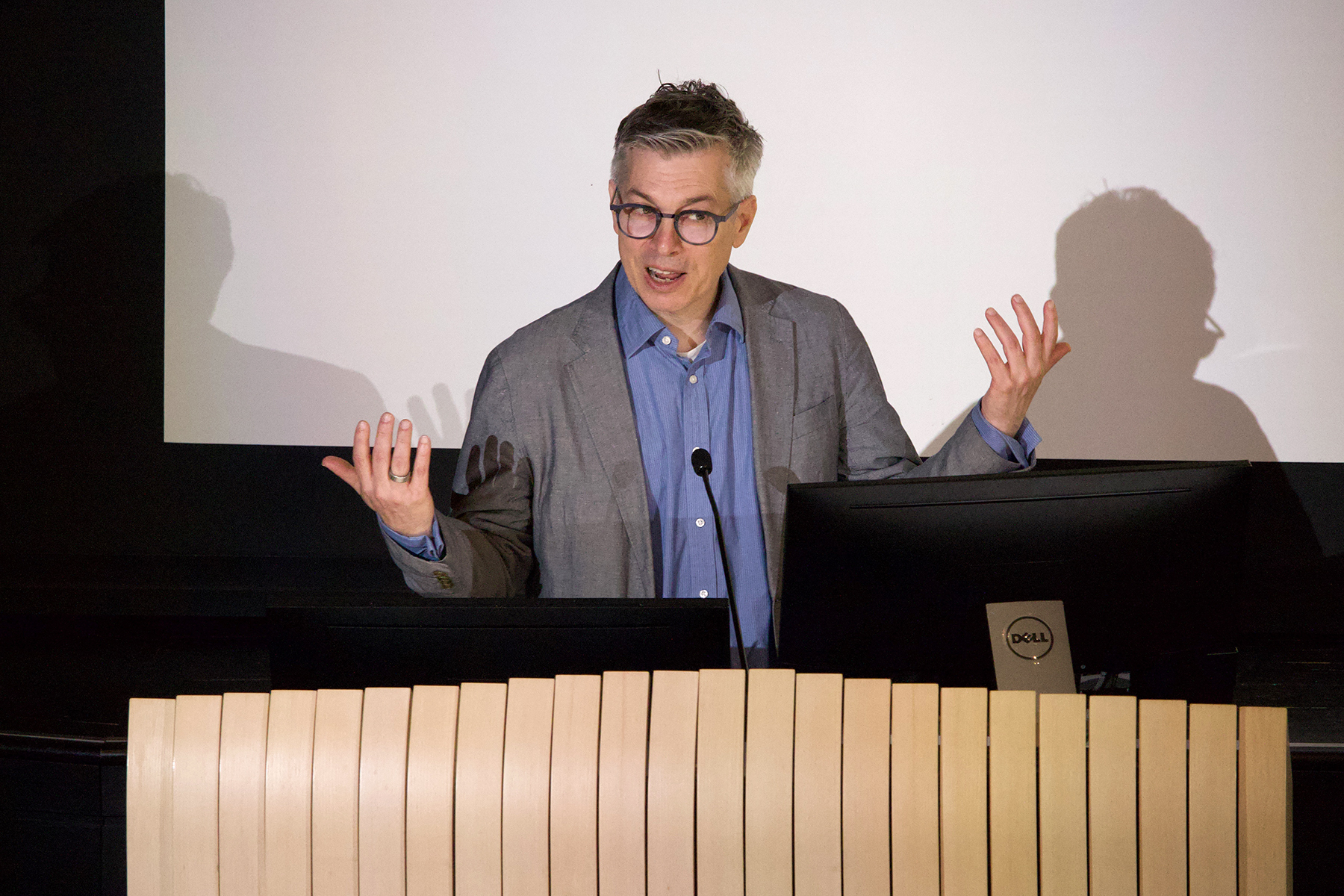
This message was anchored by Chris Wiggins, Associate Professor of Applied Mathematics at Columbia and Head of Machine Learning and AI Science at CNN, who cautioned that the “judgment line”—the final responsibility for reasoning and accountability—must remain firmly in human hands.
Vision and Progress
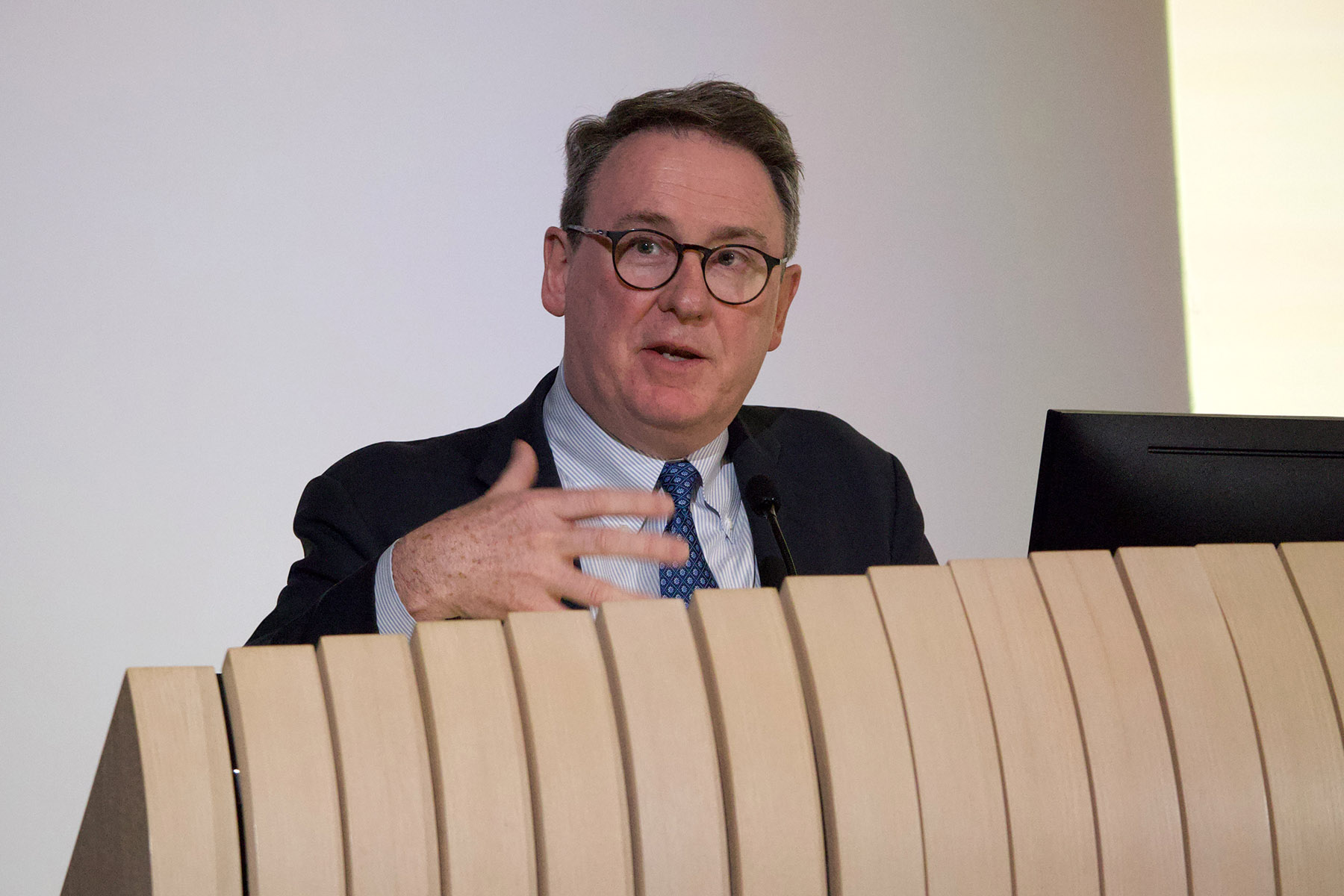
The event opened with brief remarks from both CUIMC Dean Katrina Armstrong and Vice Dean Jim McKiernan, both of whom emphasized that the promise of AI lies in its power to amplify the clinical excellence and research precision without replacing the human touch. They framed the initiative as a vital resource for ensuring that Columbia leads in developing “responsible AI” that prioritizes patient outcomes and rigorous scientific integrity.
Noémie Elhadad, Director of the AI at VP&S Initiative and Chair of the Department of Biomedical Informatics, highlighted the initiative’s rapid progress in building the infrastructure, training, governance, and practical tools needed to support responsible AI across VP&S.
Navigating the “Failure Modes”
In his keynote address, Wiggins argued that while fears of total job displacement are largely exaggerated, AI will fundamentally change the nature of the skills required for the medical profession. Drawing from recent literature in the New England Journal of Medicine, he identified three specific “failure modes” to guard against:
- De-skilling: The loss of existing proficiency due to AI overuse.
- Never-skilling: Failing to develop foundational skills because a tool removes the necessary “friction” of learning.
- Mis-skilling: Relying on tool proficiency over critical diagnostic judgment.
Wiggins emphasized that while humans should use AI to augment their abilities, they must proceed with caution.
“We would like to believe that humans have an edge far enough over AI in judging, in questioning, in being critical, in taste, in assigning responsibility,” he said. “The last question should be can we responsibly use this in a clinical setting.”
He concluded with a call to action for educators, noting that in an age of generative tools, assessment must evolve. To truly measure learning, Wiggins believes faculty must separate the act of teaching from grading and move assessment “from plagiarizable artifacts to the judgment line above it.”
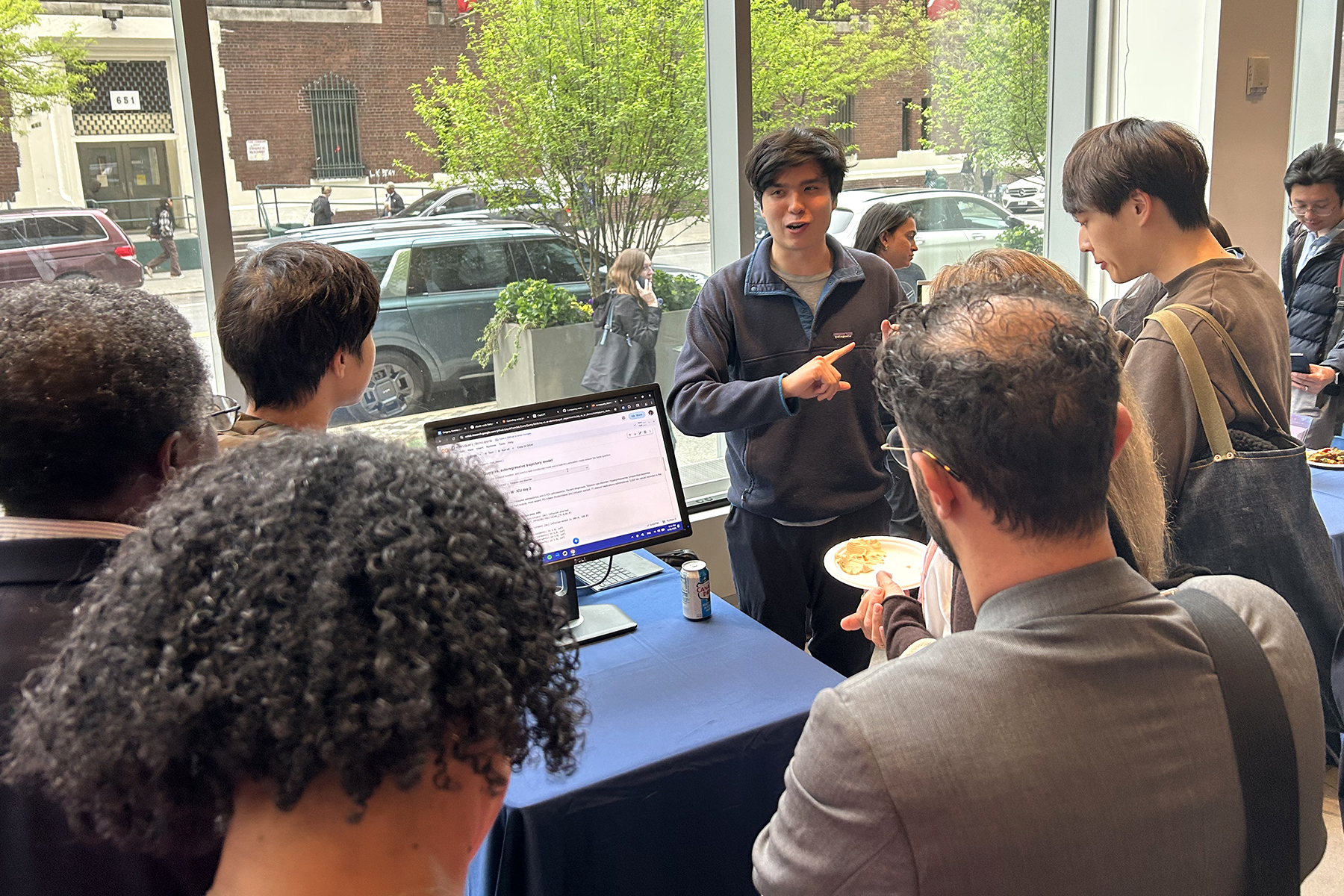
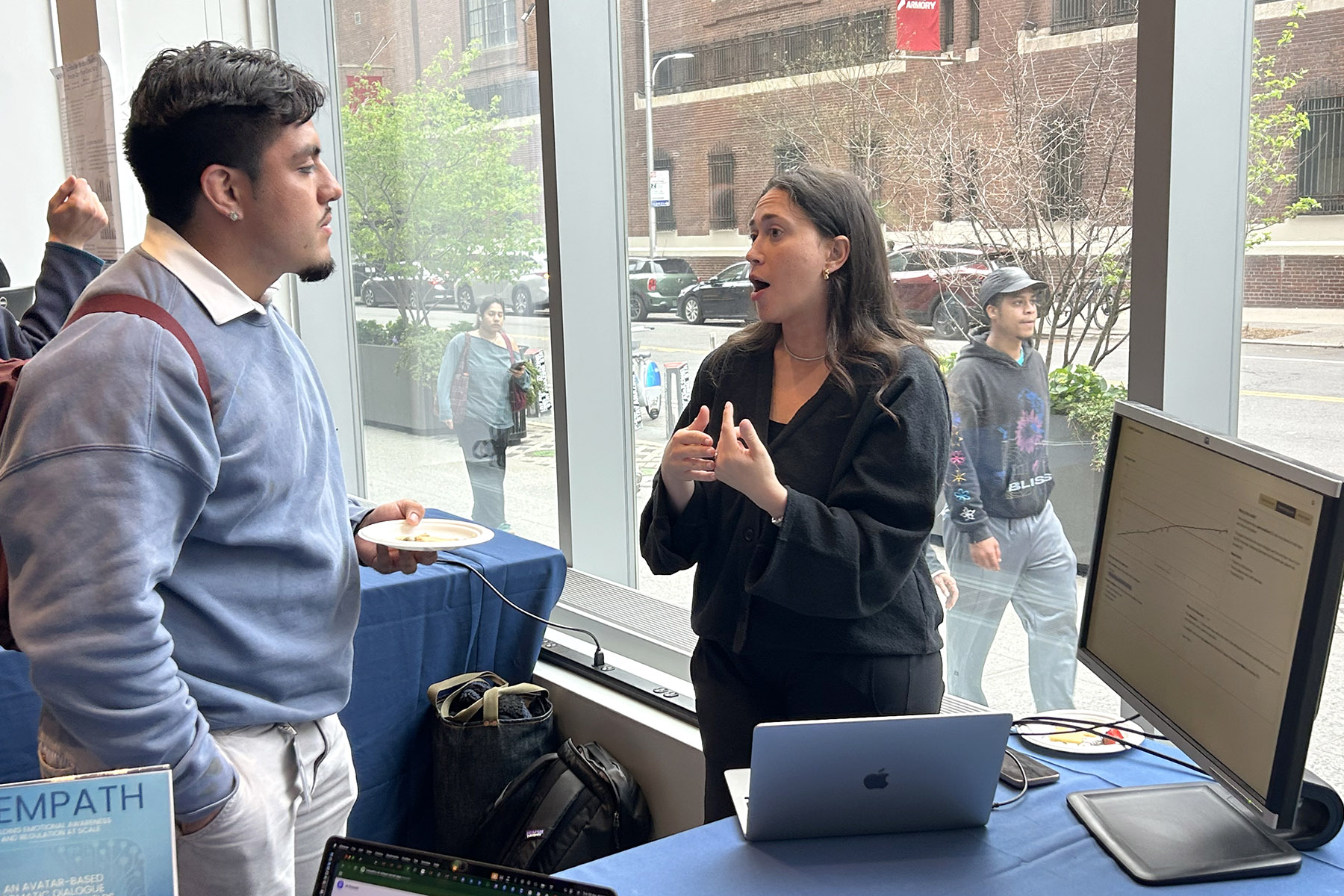
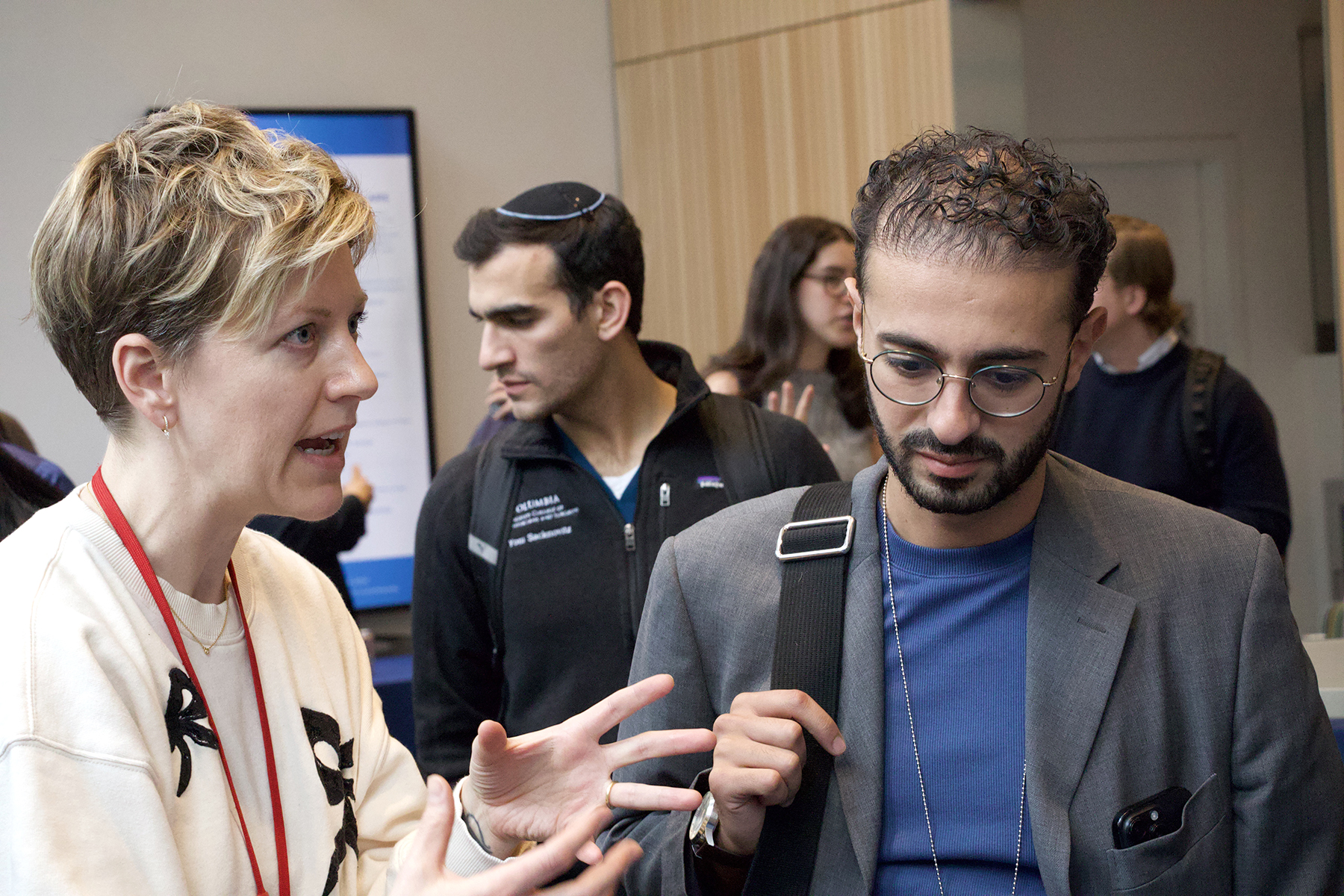
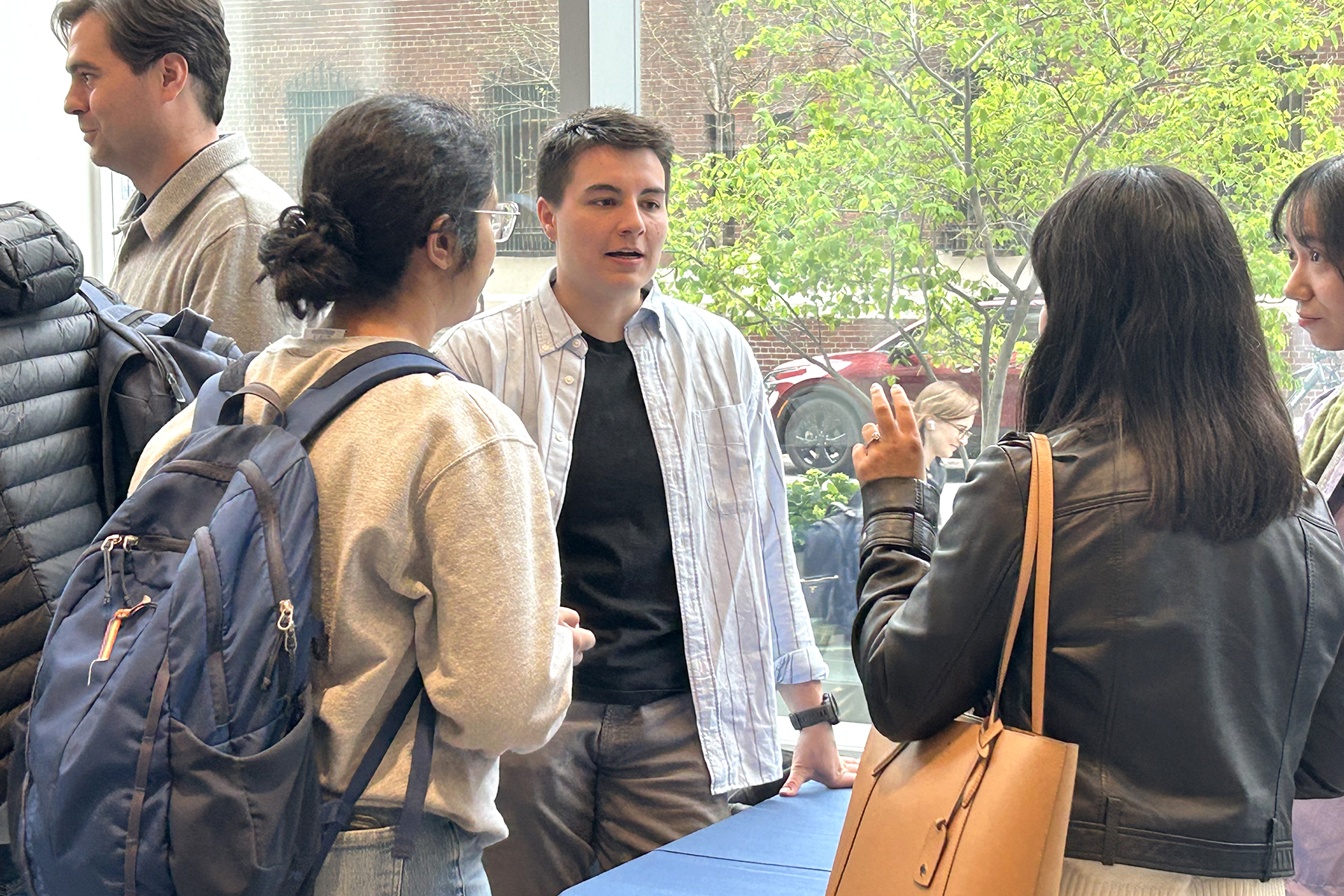
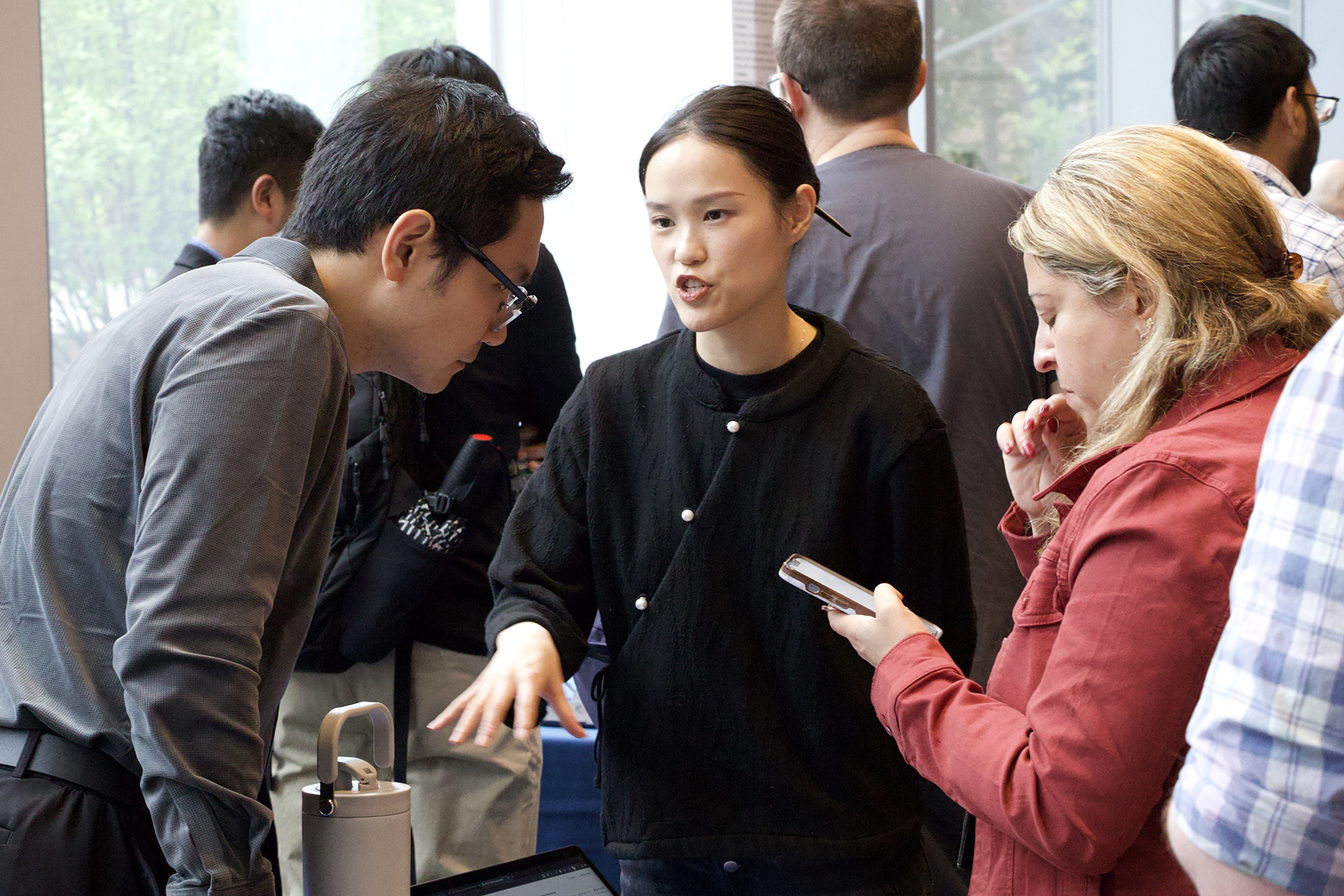
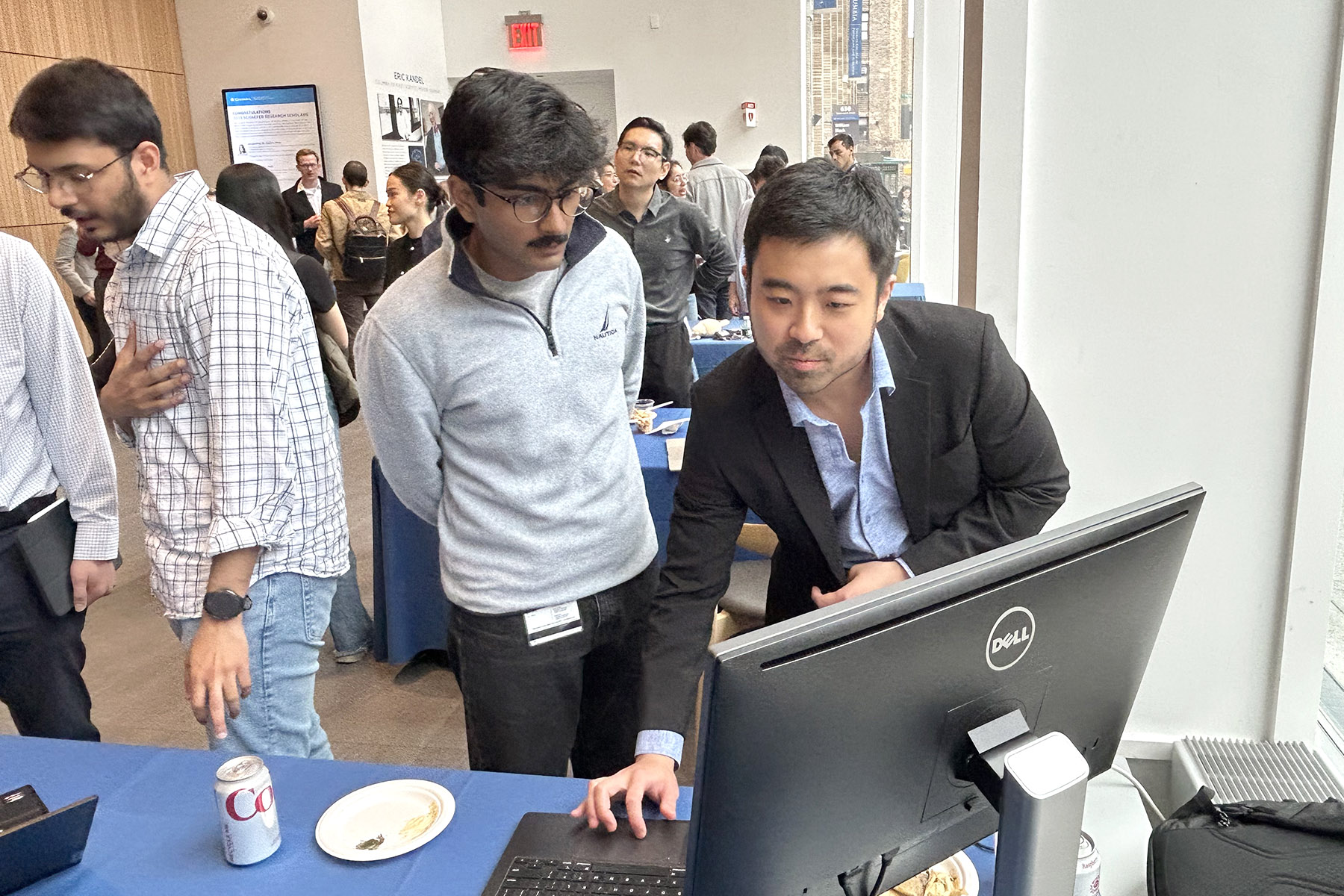
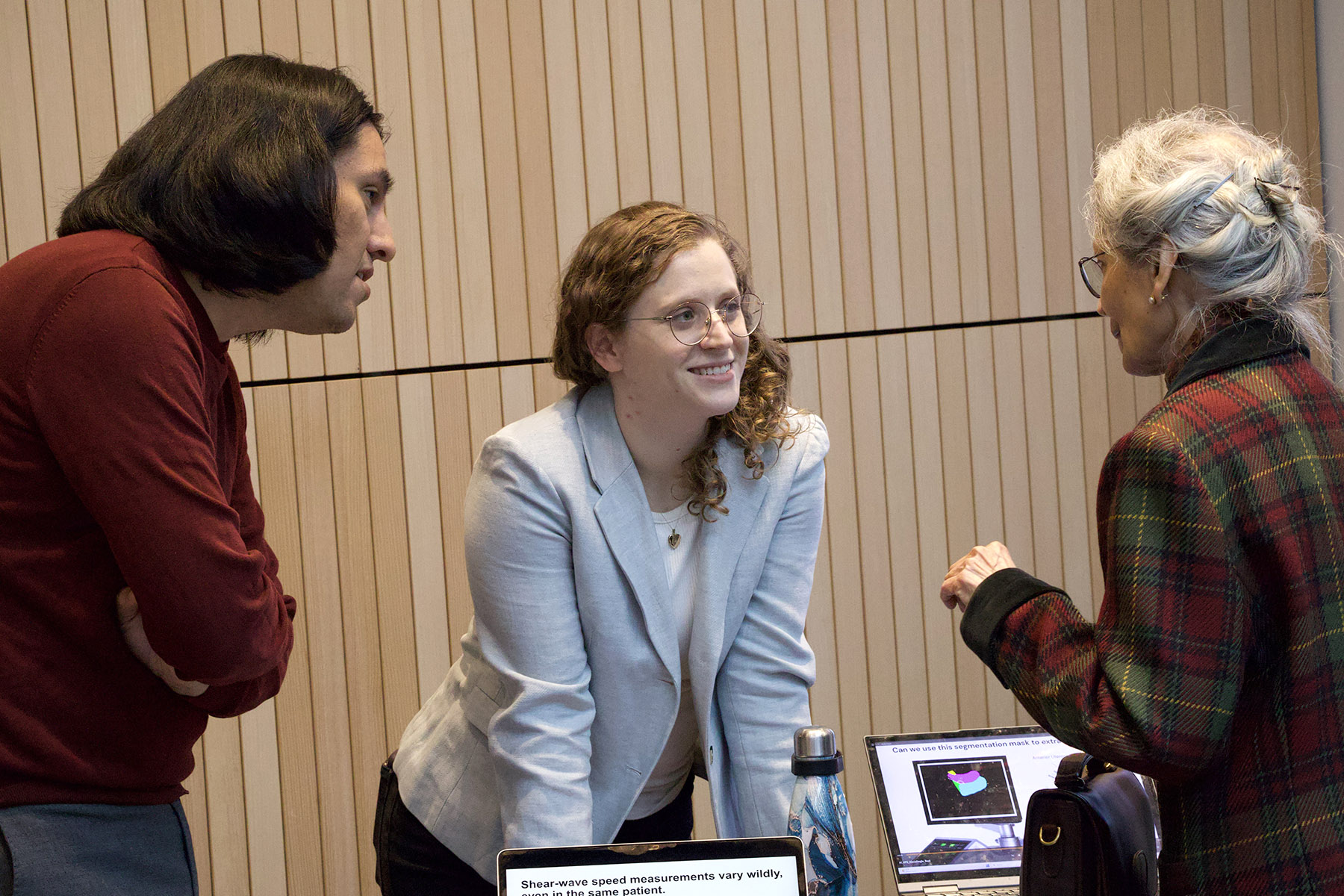
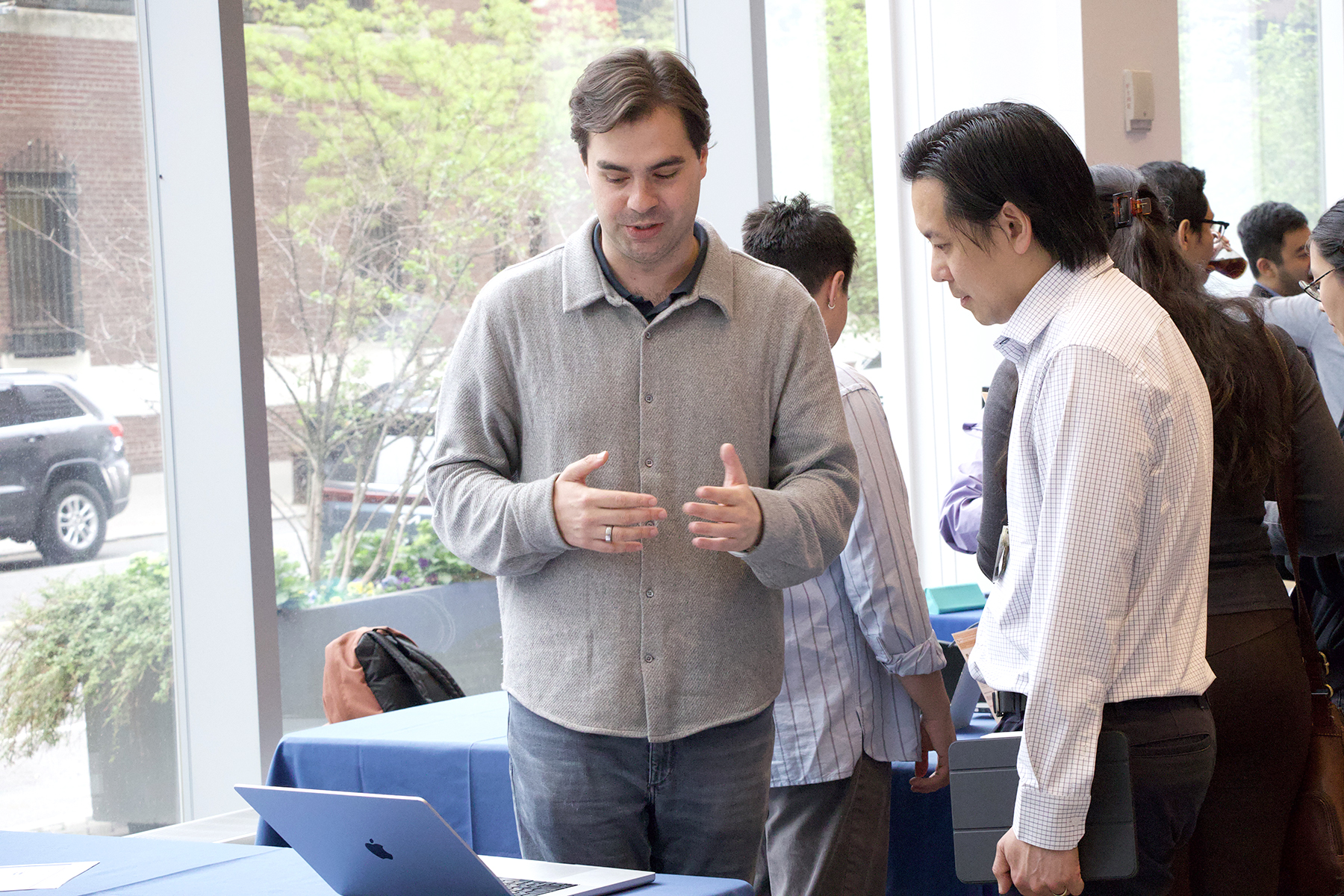
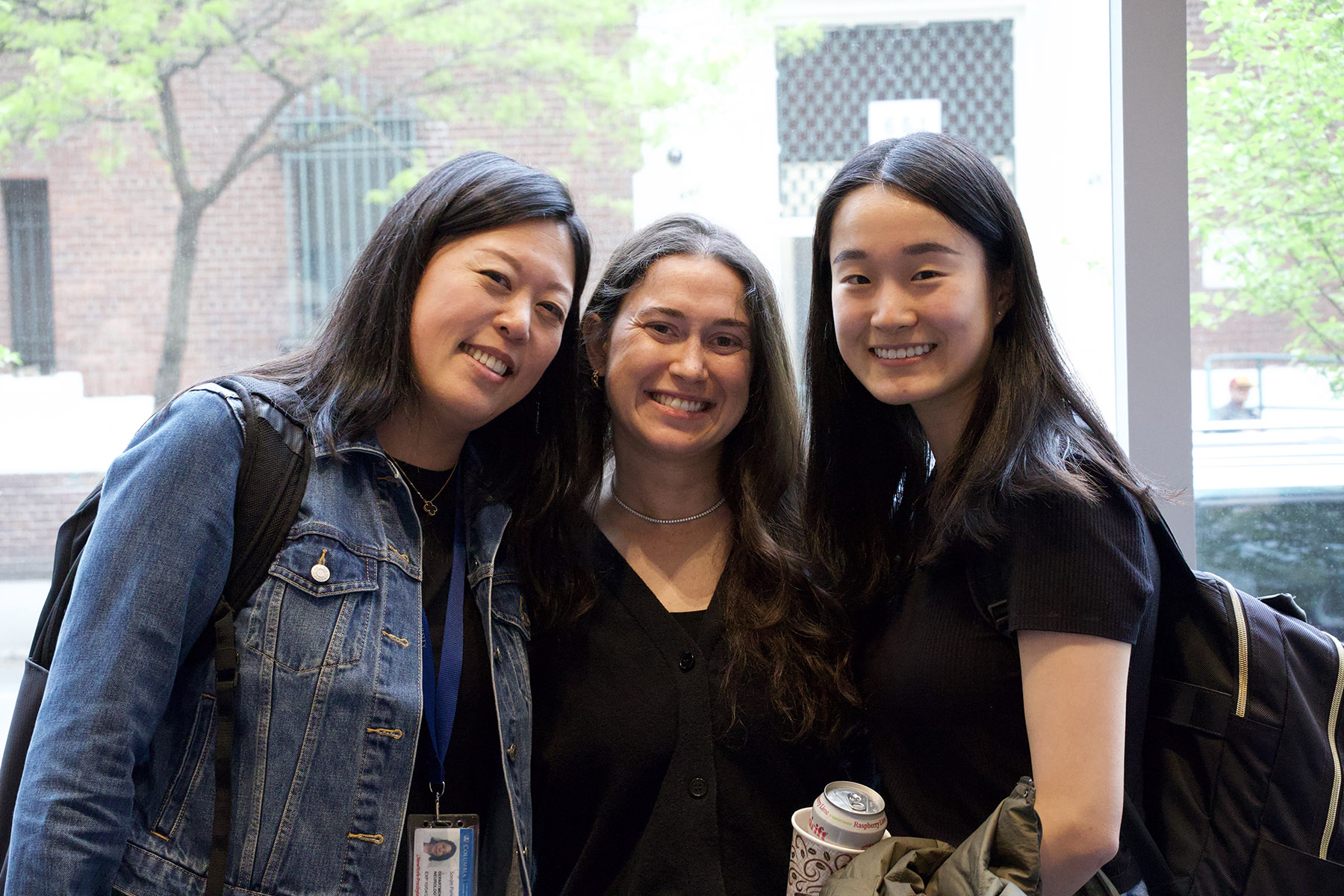
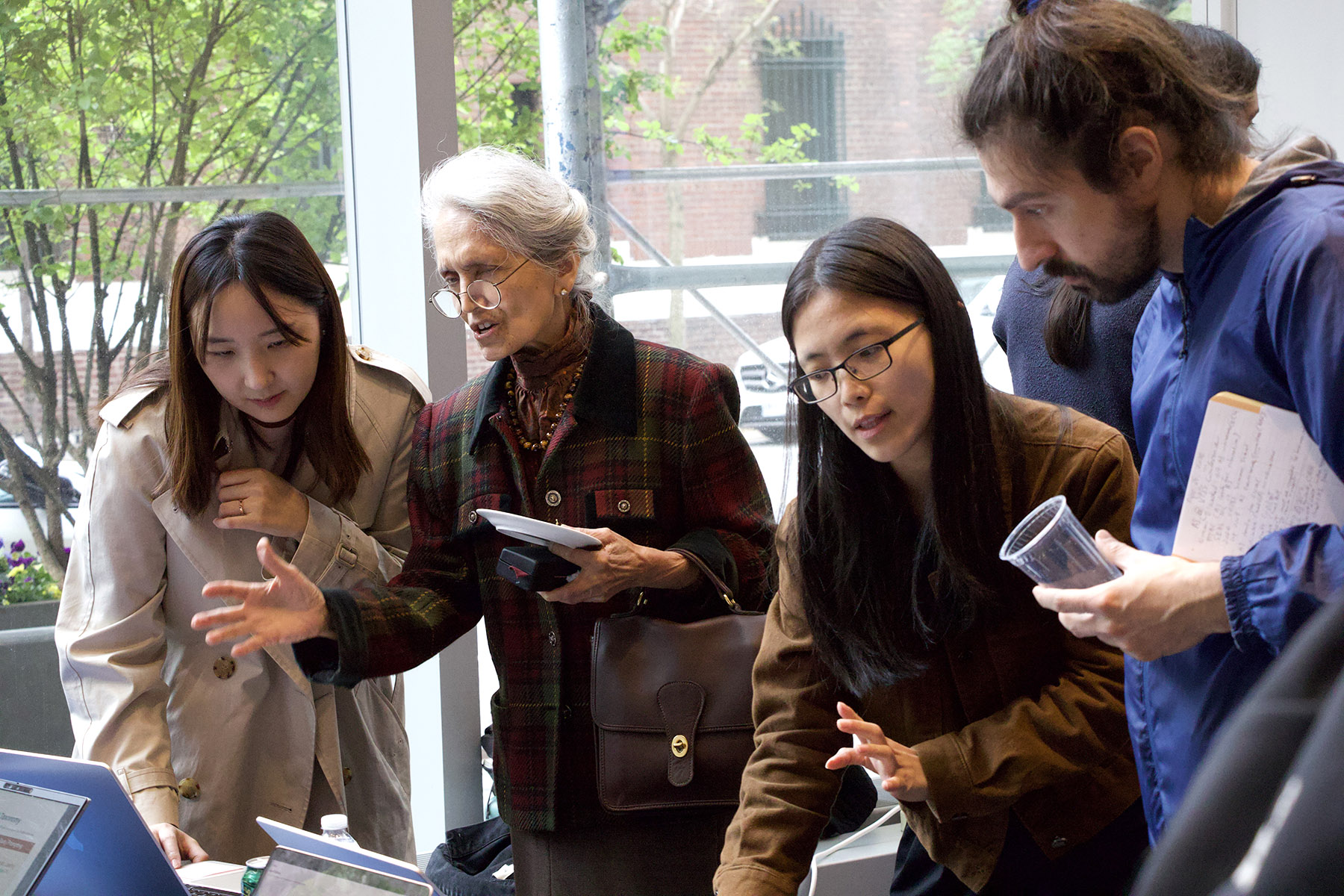
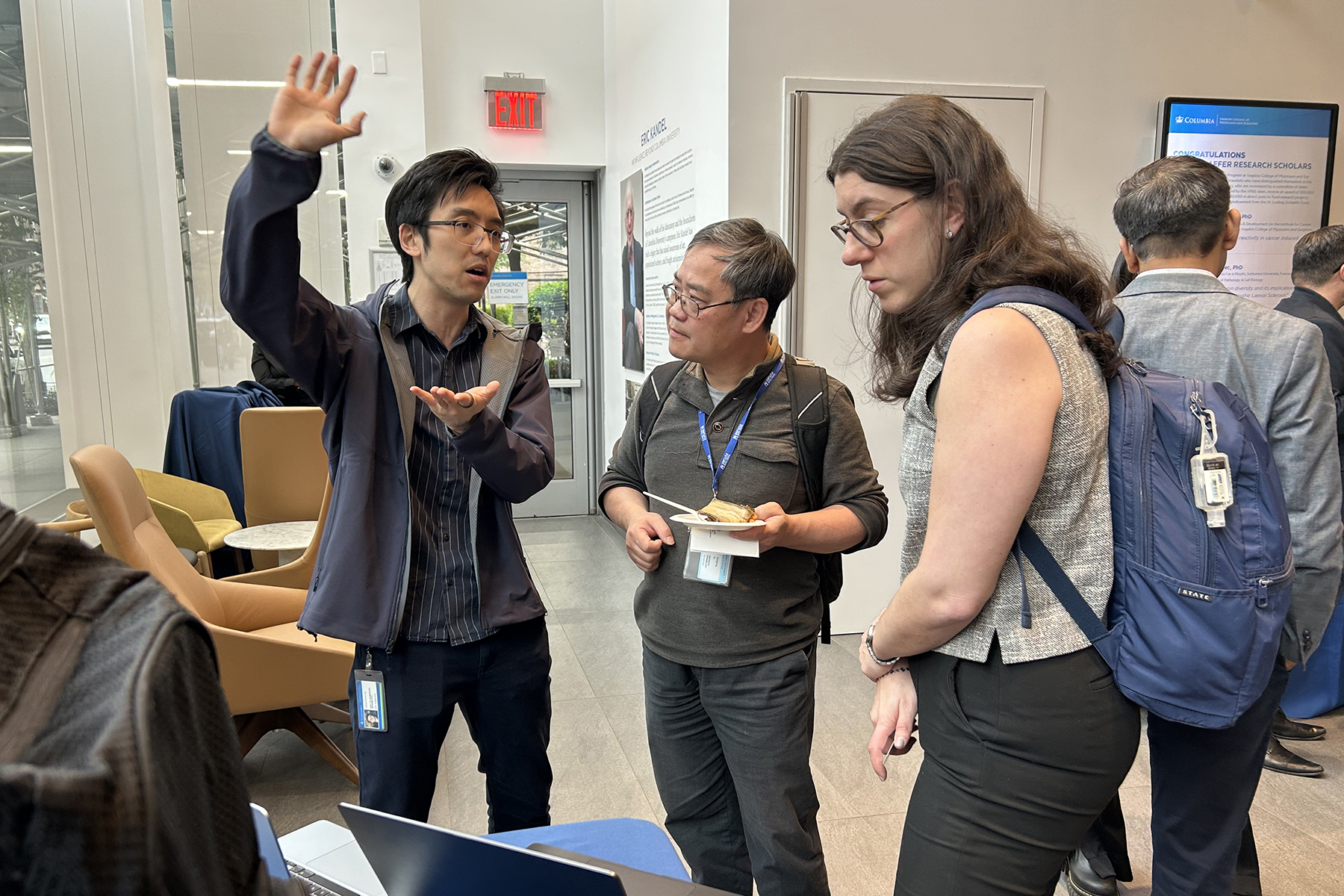
The final hour of the 2026 Showcase featured 23 live software demos, illustrating the breadth of research happening around the Vagelos College of Physicians and Surgeons and across Columbia. By grounding complex data in interpretable models, these projects highlight Columbia’s commitment to keeping clinicians and patients at the center while leveraging AI to improve patient outcomes.
All the presented demos can be found below.
Community Demos
AI for Clinical Decision Support and Clinical Workflows
Presenter: Christina Bear
Research Team: Yoni Sacknovitz, Christina Bear, Emily Gordon, Sophia Luyten, Joshua Kent, Larisa Geskin
Affiliation: Department of Dermatology, Columbia University
Presenter: Kayla Schiffer-Kane
Research Team: Kayla Schiffer-Kane, Brandon Lau, Lena Mamykina, Soojin Park
Affiliation: Department of Biomedical Informatics, Columbia University
Presenter: Varun Arvind
Research Team: Varun Arvind, Anil Mendiratta, Mehdi M. Elfilali, Madeline C. Monness, Erik D. Williams, Miles J. Bomback, Alexander M. Park, Michael W. Brown, Omar Taha, Matthew Weintraub, Teeda Pinyavat, Michael G. Vitale
Affiliation: Department of Orthopedic Surgery, Columbia University
Presenter: Viswajit Kandula
Research Team: Viswajit Kandula, Fady Soliman, Michael Simpson, Michael LaLonde, Aaron Long, Heidi Hartman, Tim KJ Poterucha, Pierre Elias, Arnar Geirsson
Affiliation: Cardiovascular Research Institute, NewYork-Presbyterian Hospital, Columbia University Irving Medical Center
Presenter: Alicia Breanne Dagle
Research Team: Alicia B Dagle, Shahd ElNaggar, Madeline Skeel, Gabriel G Trigo, David Crosby, Jacqueline Hairston, Erin Louwagie, Helen Feltovich, Michael House, Mirella Mourad, Tal Korem, Sachin Jambawalikar, and Kristin M Myers
Affiliations: Department of Mechanical Engineering, Columbia University; Department of Systems Biology, Columbia University; Department of Computer Science, Columbia University; Department of Obstetrics and Gynecology, National Maternity Hospital and University College; Department of Maternal Fetal Medicine, Northwestern University Feinberg School of Medicine; Department of Obstetrics and Gynecology, North Memorial Health System; Department of Obstetrics and Gynecology, Tufts Medical Center; Department of Obstetrics and Gynecology, Columbia University; Department of Radiology, Columbia University
Presenter: Camilo A. Duarte
Research Team: Camilo A. Duarte, Eden Katz, Alicia Dagle, Iván Rosado-Méndez, Kristin M. MyersXuhai Xu “Orson” PhD, Ruth Masterson Creber PhD, RN, Sachin Agarwal MD, MPH
Affiliation: Department of Mechanical Engineering, Columbia University; Department of Medical Physics, University of Wisconsin-Madison; Department of Radiology, University of Wisconsin-Madison
Presenter: Xuhai “Orson” Xu
Research Team: Xuhai “Orson” Xu, Ruth Masterson Creber, Sachin Agarwal
Abstract: Department of Biomedical Informatics, Columbia University; School of Nursing, Columbia University; Department of Neurology, Columbia University
Presenter: Robin Linzmayer
Research Team: Robin Linzmayer, Noémie Elhadad
Affiliations: Department of Computer Science, Columbia University; Department of Biomedical Informatics, Columbia University
Presenter: Maxim Topaz
Research Team: Maxim Topaz, Nir Roguin, Pallavi Gupta, Zhihong Zhang, Laura-Maria Peltonen
Affiliation: Columbia University Irving Medical Center
Presenters: James Baker, Demi Tega
Research Team: James Baker, Gautam Agarwal, Maura Beaton, Mark Velez, Dhvani Mistry, Jungmi Han, Xinzhuo Jiang, Robin Linzmayer, Oluwademilade Tega, Yu-Hsiang J. Lo, Sarah Danziger, Lauren Richter, Karthik Natarajan, Noémie Elhadad
Affiliation: Department of Biomedical Informatics, Columbia University
Presenter: Youngbin Kim
Research Team: Youngbin Kim, Nishanth Parameshwar, Xinzhou Jiang, Roozbeh Daneshvar, Karthik Natarajan
Affiliations: Columbia University Irving Medical Center and NewYork-Presbyterian Hospital
Presenter: Joel Laudo
Research Team: Joel Laudo, Adrian Buganza Tepole
Affiliation: Department of Mechanical Engineering, Columbia University
Presenter: Gregory Kondas
Research Team: Payal Chandak, Gregory Kondas, Isaac Kohane, Matthew McDermott
Affiliations: Harvard Medical School; Department of Biomedical Informatics, Columbia University
Presenter: Kriste Krstovski
Research Team: Kriste Krstovski, Neaton Jin Jun Ang, Kathleen Escoto, Izak Faiena
Affiliations: Data Science Institute, Columbia University; Department of Urology, Columbia University
Presenter: Akshay Raman
Research Team: Ziheng “Leo” Li, Benjamin Freeman, Akshay Raman, Kavin Aravindhan Rajkumar, Xinx Fang, Rishabh Srivastava, Steven Feiner, Kaveri Thakoor
Affiliation: Columbia University
Patient-Facing AI
Presenter: Zhihan Jiang
Research Team: Zhihan Jiang, Mengyuan “Millie” Wu, Ruishi Zou, Shiyu Xu, Emma Macmanus, Steven Liao, Ping Zhang, Dakuo Wang, James L. David, Nabila El-Bassel, Lena Mamykina, Frances R. Levin, Ryan Sultan, Xuhai Xu
Affiliation: Columbia University
Presenter: Madison Horton
Research Team: Madison Horton, Zihan Xiong, Afra Shamnath, Maria Clara Dragut, Shiveen Kumar, Uday Suresh, Natalie Benda, Meghan Reading Turchioe
Affiliations: Columbia University; New York Institute of Technology; Vanderbilt University
Presenters: Changhun Lee, Muying Li
Research Team: Changhun Lee, Muying Li, Xuhai Xu, Lena Mamykina
Affiliation: Department of Biomedical Informatics, Columbia University
Presenter: So Hyeon Bang
Research Team: So Hyeon Bang, Stacey Dai, Melani Ellison, Mary Beth Happ, David Russell, Ruth Masterson Creber
Affiliation: School of Nursing, Columbia University
Presenter: Deborah Lee
Research Team: Deborah Lee, Christa Labouiere
Affiliation: Clinical Psychology, Teachers’ College, Columbia University
Teaching and Training
Presenter: Natalya Pasklinsky
Research Team: Natalya Pasklinsky, Kristy Deyeso, Juan Gonzalez, Mary T Hickey
Affiliation: School of Nursing, Columbia University
Presenter: Trudi Cloyd
Research Team: Trudi Cloyd, Briana Short
Affiliation: Department of Emergency Medicine, Columbia University; Department of Medicine, Columbia University
Presenter: Clara Lapiner
Research Team: Clara Lapiner, Gina Badalato, Maya Hastie
Affiliation: Office of Faculty Professional Development and Engagement, Columbia University